The House also mandated its Committees on Healthcare Services and Food Safety and Nutrition to work with relevant stakeholders to secure adequate
By Mmesoma Onwuka
The House of Representatives has called on relevant government agencies to strengthen food safety systems across Nigeria in response to the growing incidence of foodborne diseases, which lawmakers say continues to threaten public health and impose heavy economic costs on the country.
The resolution followed the adoption of a motion during Tuesday’s plenary on the urgent need to improve Nigeria’s food safety framework and protect citizens from preventable food-related illnesses.
Leading the debate, Hon. Billy Osawaru cited figures from the World Health Organization (WHO), which indicate that unsafe food causes an estimated 600 million illnesses and 420,000 deaths worldwide each year, with African countries accounting for a significant proportion of the cases.
He acknowledged Nigeria’s progress in disease surveillance, noting that the country attained a Level 3 rating in the 2025 State Party Annual Report under the International Health Regulations, an indication of improved capacity to detect and respond to public health emergencies.
Despite the progress, Osawaru said foodborne diseases remain a major public health concern in Nigeria, with about 50 million cases recorded annually, resulting in more than 53,000 deaths.
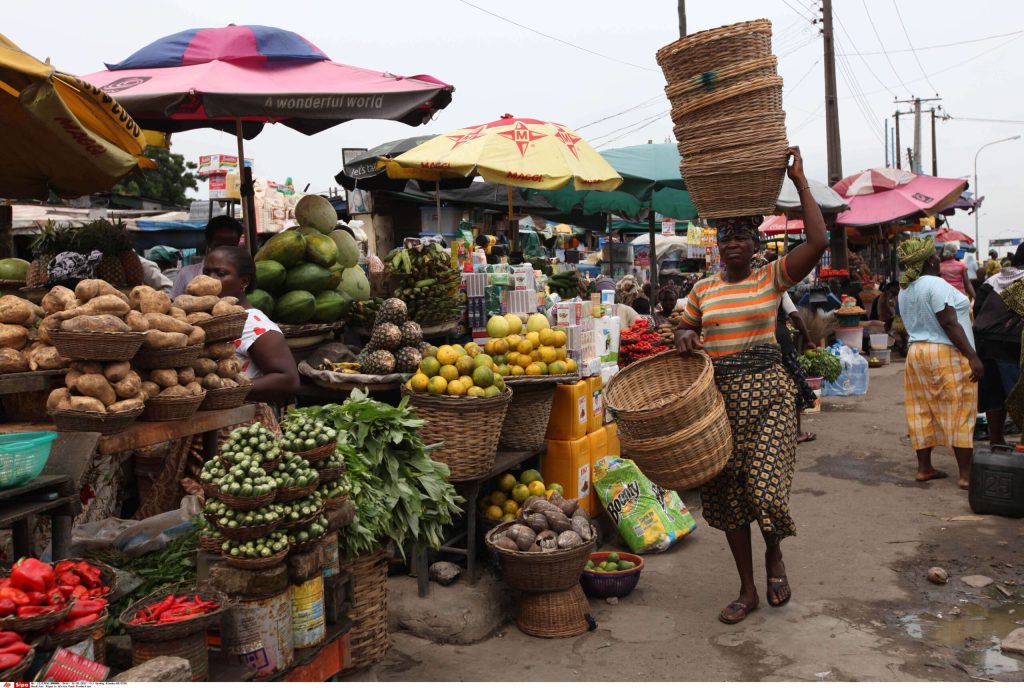
According to him, the diseases account for the loss of millions of healthy life years through illness, disability and premature deaths, while children under the age of five bear more than 80 per cent of the burden.
The lawmaker identified poor hygiene among food handlers, chemical contamination, open defecation, inadequate access to potable water, weak regulatory enforcement and limited laboratory testing facilities as some of the major factors contributing to food contamination in the country.
Members of the House also expressed concern over the economic consequences of foodborne illnesses, noting that Nigeria loses billions of dollars each year through rising healthcare costs, reduced workforce productivity and trade-related restrictions.
The lawmakers further observed that recurrent cholera outbreaks reported by the Nigeria Centre for Disease Control and Prevention (NCDC) have frequently been linked to contaminated food and water, underscoring the need for improved sanitation and stricter food safety standards nationwide.
Following the debate, the House urged the Federal Ministry of Health and Social Welfare, the National Agency for Food and Drug Administration and Control (NAFDAC), the Standards Organisation of Nigeria (SON), and the Nigeria Centre for Disease Control and Prevention (NCDC) to strengthen surveillance, inspection and certification across the country’s food production and distribution chain.
The House also mandated its Committees on Healthcare Services and Food Safety and Nutrition to work with relevant stakeholders to secure adequate funding for food testing laboratories, promote the training and certification of food handlers, and review existing legislation to reinforce Nigeria’s food safety framework.
In addition, lawmakers called on the Federal Ministries of Health and Water Resources to increase investment in potable water supply and sanitation infrastructure to reduce diseases associated with contaminated food and water, stressing that improved food safety remains critical to safeguarding public health and enhancing national productivity.