The Speaker also pledged to release a comprehensive legislative scorecard and legacy report before the end of the 10th Assembly to enable Nigerians to assess the performance of the House
By Mmesoma Onwuka
The Speaker of the House of Representatives, Tajudeen Abbas, has challenged lawmakers to intensify legislative activities and deliver on outstanding commitments under a proposed 100-day programme as the 10th National Assembly enters its final session.
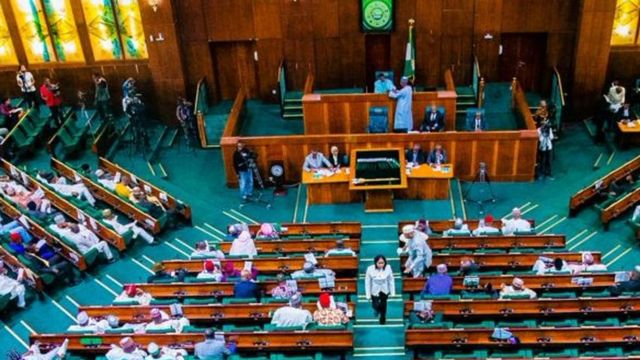
Abbas made the call on Tuesday during plenary resumption at the National Assembly in Abuja following the House’s annual recess, warning members against allowing political activities ahead of the 2027 general elections to undermine their legislative responsibilities.
“The campaign must never become more important than the country,” he said, stressing that lawmakers must remain committed to serving their constituents throughout their tenure.
The proposed programme is designed to accelerate the consideration of pending bills, conclude outstanding committee reports and strengthen oversight of government activities.
Although Abbas did not announce specific completion dates for individual assignments, he called for improved attendance at plenary and committee sittings. He proposed that Tuesdays and Thursdays be reserved for major legislative proposals and urgent national issues.
The Speaker also pledged to release a comprehensive legislative scorecard and legacy report before the end of the 10th Assembly to enable Nigerians to assess the performance of the House.
State Police, Women’s Representation Bills Prioritised
Abbas identified the proposed State Police Bill, the Reserved Seats for Women Bill and other pending constitutional amendment proposals as key priorities for the final session.
He said the House must work closely with the Senate and state Houses of Assembly to conclude the constitutional review process.
“We must bring the constitutional review process to a responsible conclusion,” he said.
On the 2027 budget, the Speaker urged the Executive to submit the Medium-Term Expenditure Framework (MTEF) early to provide lawmakers with sufficient time to examine the proposals and facilitate the timely passage of the Appropriation Bill.
He also listed the National Research Development Fund Bill and the proposed domestication of the Geneva Conventions and their relevant protocols among the matters requiring legislative attention.
According to him, adopting the relevant international humanitarian provisions would strengthen protections for civilians, wounded persons and prisoners during armed conflicts, while reinforcing Nigeria’s international obligations.
Abbas further urged lawmakers to ensure strict compliance with the Electoral Act and provide the necessary legislative support for the Independent National Electoral Commission (INEC) ahead of the 2027 elections.
He said public institutions involved in the electoral process must demonstrate neutrality, professionalism and restraint to preserve public confidence.
House Records 363 Bills Passed
Giving an account of the House’s performance, Abbas disclosed that lawmakers had received 2,747 bills and passed 363 as of mid-June 2026.
He said the bill passage rate improved from approximately seven per cent in the first session to about 26 per cent in the third session.
The House had also processed hundreds of motions and public petitions, while its internal assessment showed that between 65 and 70 per cent of the principal milestones in its legislative agenda had been achieved.
However, Abbas cautioned that legislative performance should not be determined solely by the number of bills passed, insisting that laws and parliamentary interventions must address practical challenges facing citizens.
“A law must solve a problem. A motion must lead to action. An investigation must protect the public interest. Oversight must improve the management of public resources,” he said.
He urged members to use the final session to complete priority bills, conclude pending investigations and improve scrutiny of public expenditure.
Speaker Warns Against Political Divisions
The Speaker acknowledged that political defections and realignments had occurred during the recess but urged lawmakers to place the integrity of the House above partisan considerations.
“Whatever our political affiliations or personal ambitions, we remain members of one House. We are bound by one Constitution and one oath,” he said.
Abbas also called for greater accountability in the management of increased public revenues, particularly by state and local governments.
He said improved revenue should translate into tangible benefits, including better roads, quality education, accessible healthcare and improved security.
While acknowledging positive movements in some economic indicators, including lower inflation and increased external reserves, he maintained that Nigerians must feel the impact through affordable food, employment opportunities, accessible credit and dependable public services.
Security Challenges, Disasters Draw Concern
Abbas also expressed concern over security incidents and natural disasters recorded during the legislative recess.
He cited the abduction of schoolchildren in Borno State, attacks and displacement in parts of Ondo State, as well as destructive flooding and erosion in Enugu and Abia states.
The incidents, he said, reinforced the need for sustained attention to national security, disaster preparedness and the protection of vulnerable communities.
As the 10th Assembly begins its final legislative session, Abbas urged lawmakers to concentrate on the proposed 100-day programme and ensure that outstanding legislative responsibilities are addressed.
While the Speaker outlined the programme’s broad priorities and proposed weekly sitting arrangements, he did not announce specific deadlines for individual bills or committee reports. He nevertheless emphasised that the House must demonstrate measurable results before the end of its tenure.